
It’s easy to feel overwhelmed by Florida’s environmental headlines, but in this latest edition, we’re leaning into optimism. We’ve got stories of genuine scientific "cleverness" - think water-filtering oyster armies and seaweed being turned into actual products.
Of course, we’re also keeping it real with a look at the hidden risks lurking in our aging infrastructure, the financial drain of legacy irrigation, and what would seem to be the much more pleasant activity looking for those special plants and trees you might be tempted to buy from your local garden center. Read on to find out why you need to choose your next plant purchases very carefully.

Two years ago, the Palmetto CRA dropped 360 reef balls into the Manatee River. It was a long-term play, and it’s finally paying off. These man-made reefs are now home to thousands of oysters, with each one filtering up to 50 gallons of water every single day.
That cleaner water has sparked a chain reaction: seagrass is returning, which brings in the shrimp, which brings in the fish. It’s a win for the ecosystem and a massive boost for local boaters and anglers.

Sargassum is usually a massive headache—literally. When it rots on our beaches, it hits our health and our tourism economy to the tune of $3.5 billion a year.
But what if we caught it before it hit the sand? Companies are now harvesting sargassum straight from the ocean and transforming the "sludge" into fertilizer, building materials, and even alternatives to plastic. It’s the ultimate "trash to treasure" story for Florida's coastlines.

Not all pollution is as obvious as a pile of seaweed. Florida has over 2 million septic systems, many of which are decades-old relics from an era of much looser environmental rules.
These aging tanks are leaking nitrogen into our groundwater and canals, essentially "feeding" the red tide blooms that plague our shores. Upgrading these systems isn't cheap, but as the data shows, ignoring them is going to be a lot more expensive in the long run.
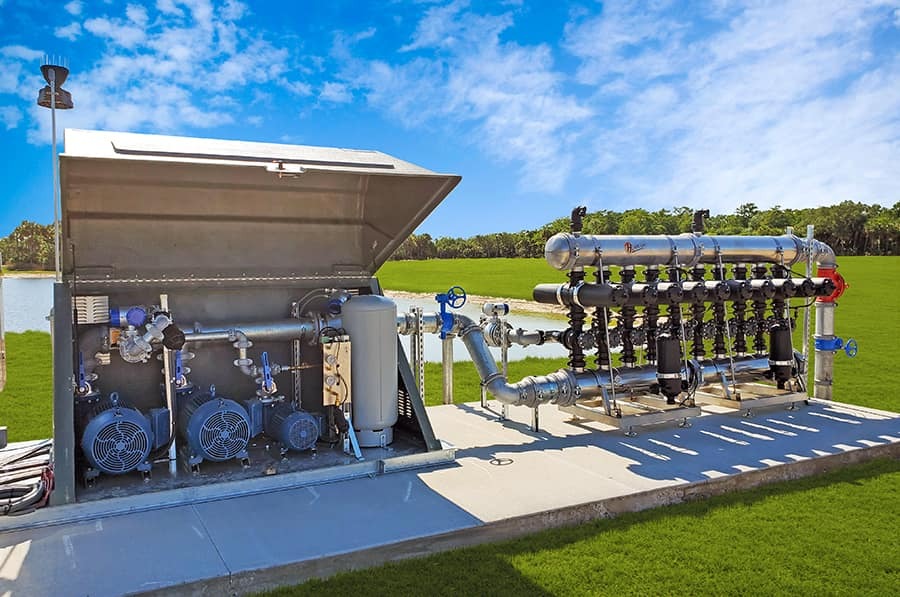
Is your community stuck in a "break-fix" cycle? Many Florida HOAs are discovering that the irrigation systems installed during their development were never designed for the long haul.
From aging pump stations to inadequate controls, these "legacy" systems are a quiet drain on community budgets. In one case, a Lake Worth community was spending $40,000 every single year just replacing dead sod caused by mainline breaks. Beyond the repair bills, there’s the invisible toll of resident complaints and volunteer burnout.
Modernizing your irrigation with smart monitoring doesn't just save water; it stops the cycle of crisis management and protects your landscape investment.

Researchers at USF have developed a bit of high-tech magic: a specialized crystal that stays solid in water but "wakes up" when the sun hits it. Once activated by sunlight, these crystals stop red tide growth in its tracks without needing extra chemicals or power sources.
It’s a sustainable, scalable way to protect our marine life from toxic blooms before they get out of hand.

You might want to double-check that "gorgeous" plant you just grabbed at the garden center. Some major retailers are still selling invasive species—like the Mimosa tree, Lantana, and Asparagus fern—that can escape your garden and wreck local habitats.
Other "unwelcome guests" to avoid include Pothos, Water hyacinth, and the Madagascar periwinkle. Stick to native plants to keep Florida’s wildlife happy.

800.548.1548
2801 N Powerline Road Pompano Beach, FL 33069


© 2026 Hoover Pumping Systems Corporation. All rights reserved.