
This month’s H2Ozone has decided to kick off its shoes and get some sand between its toes. Yes, we’re heading for the beach, and in particular the beaches around Florida, which, during the course of June, have been flagging up the reality of a changing climate in a clear and sometimes stark manner.
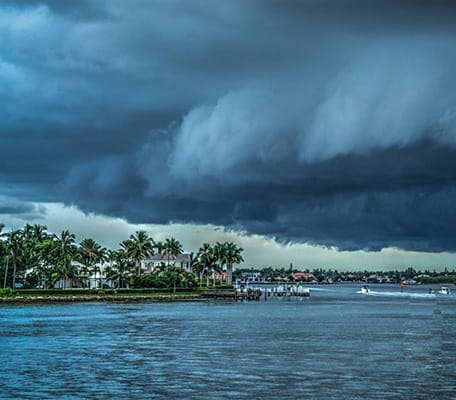
Experts at Florida International University highlighted the negative impact of an unprecedented period of marine warming on the coastal environment, while an article on micro-plastics in sand showed how easy it is to threaten the life cycle of a creature like the sea turtle. On a more positive note, we found an article pointing out the number and imaginative variety of artificial reefs which have been sunk around the coast of Florida.
Moving inland, we found articles on efforts to protect large parts of Central Florida from the risk of flooding and a climate action plan unveiled in Tampa. Two articles looking at the issues of rising homeowners insurance premiums outlined clearly just why such action is needed – the risk of extreme weather is driving the price beyond the reach of many homeowners. Always keen to highlight the steps that can be taken to make things better we were fascinated by the story about the development of a frankly miraculous sounding ‘hydrogel’.
Finally there are three articles on financial issues. One looks at the global debate on how exactly initiatives of the scale needed to tackle climate change can be funded, and two more which both highlight the extremely healthy growth in markets harnessing technology to help us all make the most of our precious water supplies.
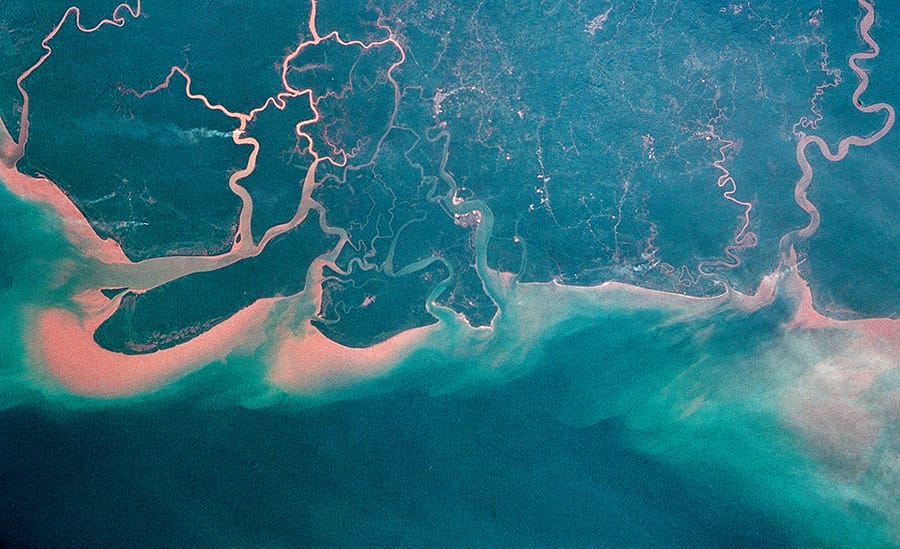
In a report published by the Institute of Environment at Florida International University in Miami it was claimed that climate change is having a direct and negative impact on the time-honored tradition of hitting the beach on a sunny day. According to figures published by the National Oceanic and Atmospheric Administration, global sea temperatures hit a record high in May this year, and the impact is probably already washing up onto beaches across the US in the form of thousands of dead fish in Texas, sharks migrating to waters along the west coast and, in Florida, blankets of rotting brown seaweed, ‘red tides’ of harmful algae turning up in places like Miami and Florida Keys and rising sea levels causing some beaches to literally vanish underwater at high tide.
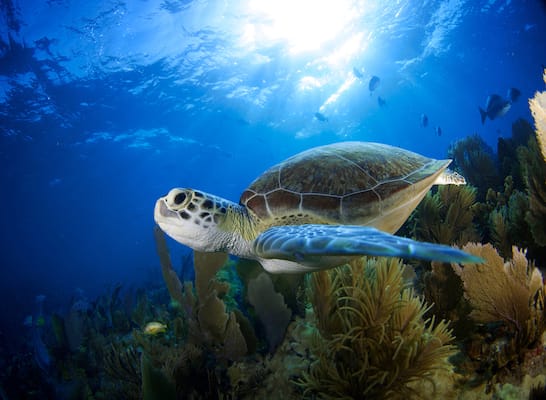
Research undertaken by the Florida State University found that microplastics concentrated in beach sand could potentially increase the temperature of the sand to such a degree that incubating sea turtles are threatened. The good news from the study is that the concentration of microplastics needed for a damaging shift in temperature is higher than that usually found on beaches globally, but this could soon change if demand for plastics continues to grow, and even a small shift could drastically impact the lifecycle of creatures which play a vital role in the marine ecosystem.
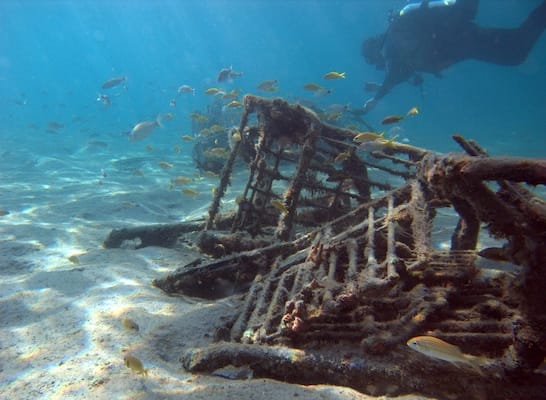
Q: When is dumping large objects into the ocean not only permissible but actually to be encouraged? A: When it’s being done to create stunning artificial reefs. There are more than 3,800 reefs of this kind off the coast of Florida, providing a natural habitat for oceanic wildlife and drawing tourists keen to take a dive and explore. This article looks at just 7 of the more unusual artificial reefs around Florida, ranging from mermaids crafted by body-casting real people - to the aircraft carrier the USS Oriskany and the 75 ft tall, Radio Tower R.
Scientists at the National Oceanic and Atmospheric Administration in Washington DC predicted that an intense marine heat wave currently impacting on sea-temperatures across the globe will probably persist into November, stating that the situation was ‘unprecedented’. The impact of this rise in temperature – which the scientists are struggling to explain – could include extreme weather events and a general rise in sea levels, and it has also been suggested as the possible cause of thousands of dead fish being washed up along the Gulf Coast.
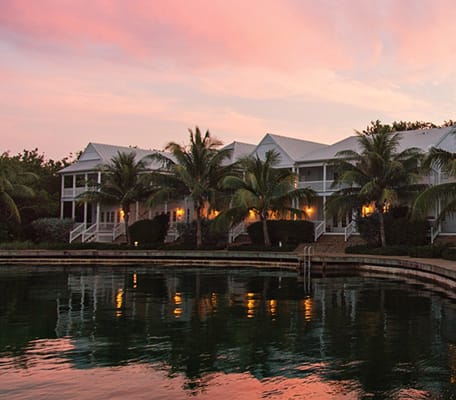
Those of us who live in Florida know better than most just how devastating the impact of flooding can be, particularly during extreme weather events such as Hurricane Ian in 2022. The good news for residents of Central Florida is that a range of projects are underway with the intention of reducing the flooding risk in topographically low-lying areas. The work, costing tens of millions of dollars, includes expanding existing retention ponds, fitting new water pumps, removing debris clogging up waterways and replacing or building drainage structures.
This June saw officials in Tampa unveil a 156 page ‘Climate Action and Equity Plan’, with the stated intention of reducing carbon emissions in Tampa, building infrastructure which is climate-ready and supporting local citizens. The plan includes 143 specific initiatives across the following categories: Energy, water and wastewater, storm water, transportation and land use, waste management, housing and development, community, habitat and environment, food and governance. The launch came days after federal agencies explained how local and state governments and nonprofit organizations would be able to access clean energy tax credits for the first time.
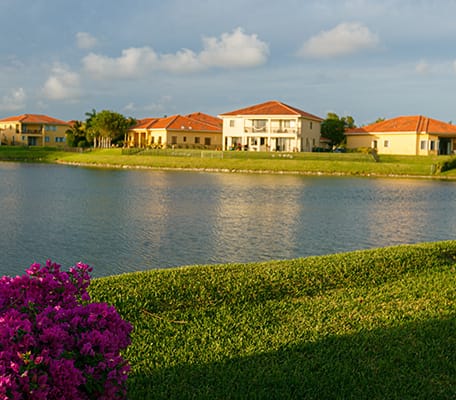
Lakes are a hard-working and essential component of many irrigation systems. Retention ponds, as the lakes are more accurately (though less attractively) described aren’t just for aesthetics; they satisfy peoples’ desire to live in attractive, well-watered surroundings. To do this, it’s necessary to prioritize the use and the distribution of any available water effectively. This popular blog post about the use of lakes for irrigation is worth a read as it covers the five questions we're most often asked about these lakes.
Some of the people least concerned about climate change are those convinced that brilliant scientists will come up with solutions to save us. This can seem like a complacent point of view until you come across a product like the hydrogel developed by researchers at the Massachusetts Institute of Technology (MIT). According to this article they were inspired by the absorbent gel you find in products like diapers, ‘supercharging’ the absorbency of the gel to create a substance that can harvest water vapor from the air even in seemingly extremely dry conditions.
The June release of the 2022 WaterSense Accomplishments Report notes that consumers buying WaterSense labeled products have collectively saved more than 1.1 trillion gallons of water in 2022. They've done this by purchasing water-saving plumbing fixtures and irrigation products labeled with the WaterSense mark. Around 2,000 utilities, communities, manufacturers, home builders, retailers, and other organizations work or partner with Watersense to produce and promote independently certified water-efficient products. There's a whole section of the US EPA website devoted to WaterSense, full of useful info and guidance to help us get the maximum benefit from water in our daily lives - without squandering this vital resource.
A story published this month highlighted a growing problem for homeowners in Florida – the rising cost of homeowners insurance. This is being driven, amongst other things, by the rising risk of natural disasters such as Hurricane Ian, a risk which is being exacerbated by climate change. In some parts of Florida, premiums are now four times higher than they are in other parts of the country, and this is mainly due to 16 severe storms or hurricanes since 2020, which caused between $100 billion and $200 billion in damages.
Here's a timely reminder that irrigating responsibly need not mean our landscaping has to go without water. So, in this post, we pose the question - is it possible to irrigate effectively and responsibly? The good news is that it is, but it's an active process - having great tools and tech at your disposal doesn't automatically mean you are going to achieve the heights of water conservation excellence! We take a look at the many aids to water conservation that can feature in a modern irrigation system to help us use less water but maintain a landscape to be proud of.

800.548.1548
2801 N Powerline Road Pompano Beach, FL 33069


© 2026 Hoover Pumping Systems Corporation. All rights reserved.