
This month's H2O Zone takes a look at how the past, present and future can contribute to how we look to address the issues we face around water use and conservation. From archeology and early Native American architecture to technology and all points in between, here's what we've been reading about this month.
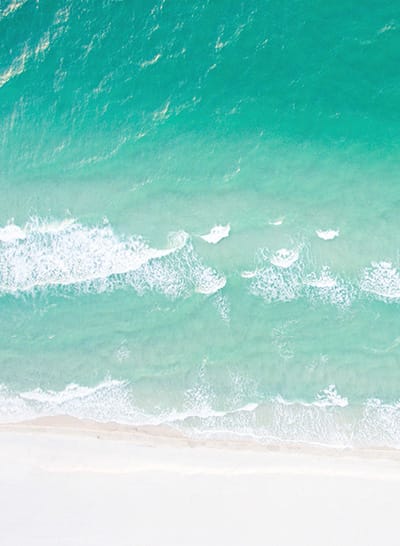
This month’s curation contains one fairly frightening statistic about the number of heat related deaths occurring in Florida over the past few years; but this is counter-balanced by a number of stories outlining the kind of positive steps that can be taken to deal with issues such as the climate emergency, rising temperatures and the need to conserve our precious natural water supplies. A couple of stories look at the creation of ‘heat islands’ – built-up urban areas which tend to be even hotter than the surrounding landscapes – and the relatively simple steps that can help to make life more comfortable for the people living and working there. We also found a pair of articles dealing with conservation efforts in some of our stunning natural bodies of water, with technology and hard work combining to protect against the threat of algae and reintroduce natural vegetation.
Another theme of the week is education, featuring in a story about grants given to teachers to directly promote education around Florida’s water resources; and another in which the University of Florida researches the importance of efficient irrigation systems when it comes to conserving water (something we at Hoover know all about). Finally, two blasts from the past, highlighting how looking back in time can sometimes teach us how best to move forward. The first example uses the fossil record to set contemporary salinity targets for the Florida Everglades and the second takes architectural tips from Native Americans and early settlers in order to design homes built to cope naturally with the Florida climate.
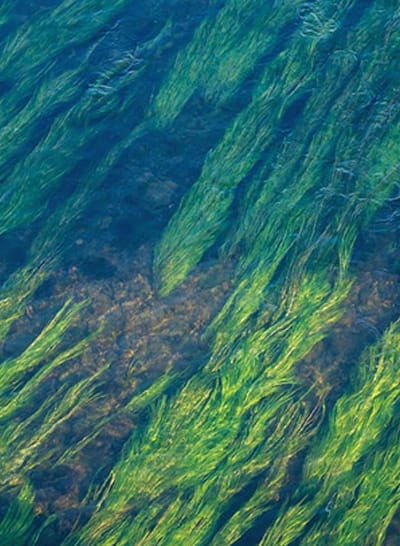
The John Pennekamp Coral Reef State Park in the Florida Keys is the kind of stunning natural attraction which is bound to attract boaters, but this popularity comes at a price. The price in question is the damage caused to the seagrass beds by vessels, and since seagrass is a vital ecosystem this means a loss of benefits such as nutrient cycling and habitat preservation. The damage takes the form of vessel groundings and propeller scars. A restoration project undertaken by a partnership between experts in aquatic restoration Sea & Shoreline – and the Coastal Conservation Association (CCA) Florida is intended to deal with the damage which doubled between 1995 and 2015. The project will involve local students helping to deliver solutions such as sediment tubes, which can cut the time taken for a propeller scar to heal from 17 years to just 1 year.
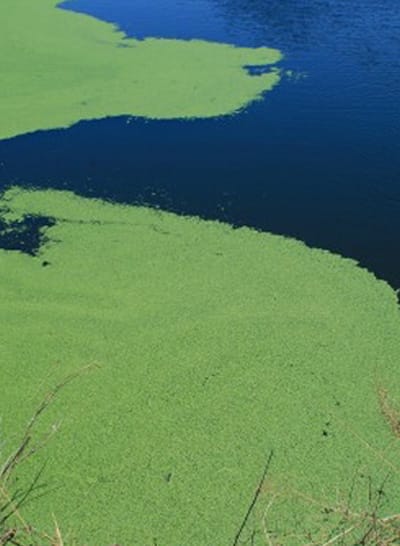
The presence of nutrients in the water can exacerbate the thorny issue of algal blooms, particularly if the nutrients are located close to the shore. This is a problem facing Southwest Florida, in the water stretching from Caloosahatchee to the Gulf of Mexico, and the solution to the problem utilized by researchers from the Sanibel Captiva Conservation Foundation is called ‘Wiz’. Wiz is no less than an autonomous nutrient sensor which takes samples from the water every two hours around the clock, and analyses those samples internally to determine the level of nutrients present. This information is combined with other local measurements, such as temperature, salinity and dissolved oxygen, to enable the team to model the condition of the water, make predictions and improve the preparations for any increased risk of issues such as algae blooms.
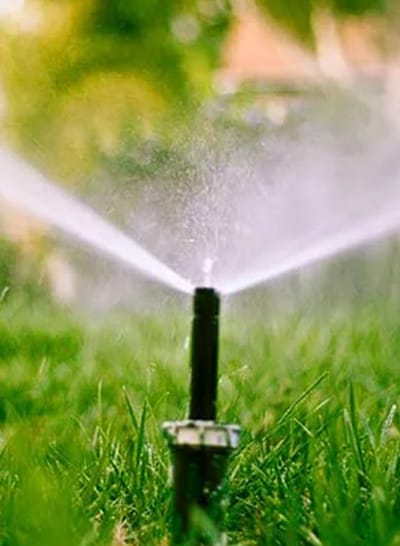
There’s no escaping the fact that Nature often gives with one hand and takes with the other, and the topic of water conservation in Florida offers a perfect example of this phenomenon. On the one hand we have the beautiful manmade landscapes and scenery for which the state is famous, and on the other the constant risk of drought conditions impacting both that backdrop and the lives of residents. Water conservation is therefore a key component of life in Florida, and new research published by UF/IFAS (University of Florida/Institute of Food and Agricultural Sciences) highlights the fact that a key battleground for water conservation in Florida is the yards and the irrigation of those yards. Analysis of more than 1 million homes across Florida found that the highest water users were using 60% to 70% of all of their water on their yards, and that overwatering of lawns was common. The tips offered around scheduled watering and rain sensors chime exactly with the kind of smart irrigation technology you’ll find in Hoover pump systems.
One of the best ways of dealing with climate change and topics like water conservation in the longer term is to engage young people as soon as possible, and hands on experience of water resources and how best to use them is central to that engagement. In Florida, the Blue School Grant program entered its eighth year, offering up to $60,000 in grants to teachers in the St. Johns River Water Management District. The grants, of up to $3,000 per school, are awarded to teachers in the 18-county area to fund education projects that enhance student’s knowledge of Florida’s water resources. Past examples of projects funded include water conservation awareness posters and videos, comparisons of the water quality in stormwater ponds on campus and the conversion of traditional irrigation to micro-irrigation in a school landscape.
We’ve looked at the ways in which technology and education can play a part in planning the water conservation measures we need to apply in the future, and this story shows how reaching back into the dim and distant past can be equally useful. It involves the Florida Everglades, and the way in which decades of drainage and water diversion for human use have radically altered the flows of fresh water through the areas natural ecosystem. The aim is to restore the water in the Everglades to its natural state, but the difficulty lies in the fact that this natural state existed many millions of years ago, when nobody was around taking samples and making records. The solution? The fossil record – paleoecologists study the ancient presence of 68 kinds of mollusks to estimate the salt levels of the water at various points in time, a figure which is then used to plan the ideal ‘natural’ water flow rates for the future.
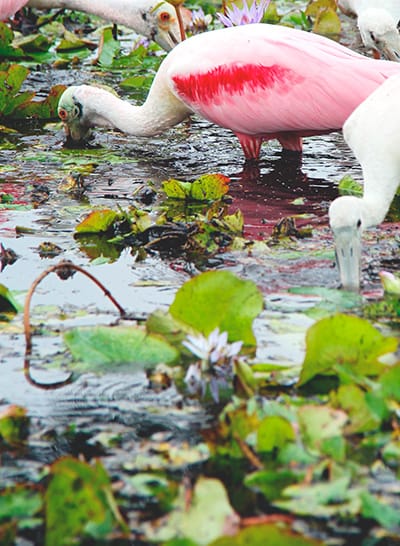
It’s all too easy to read stories on water conservation and climate change and feel hopeless about the future, but stories like this help to illustrate just how much positive change can be achieved. It involves the 34,948-acre Lake Kissimmee, 40 miles south of Orlando, which has been restored via a large scale restoration project carried out by the Florida Fish and Wildlife Conservation Commission (FWC). In the past, naturally present aquatic grass and bulrush beds had declined thanks to hurricanes, artificial control of water levels and being grazed by exotic apple snails. The project involved planting 180,000 maidencane, 68,000 paspalidium (both usually called Kissimmee grass) and over 76,000 bulrush plants at a cost of $500,000. The result will be a combination of fish and wildlife habitat for angling and wildlife viewing and an improved habitat for the endangered Everglade snail kite.
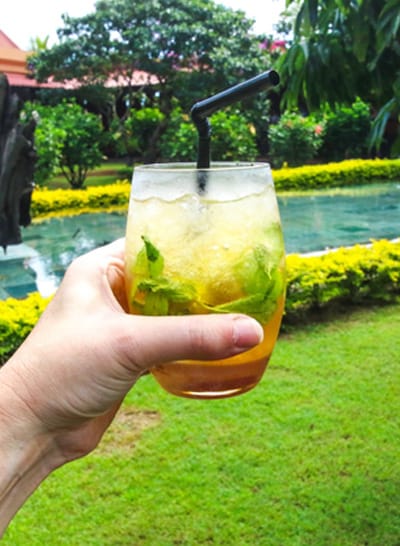
We’ve already seen ancient (indeed, prehistoric) information used to plan future water conservation efforts in Florida, and this story also looks to the past, although not quite so far back. One big issue facing anyone who lives in Florida is the heat you have to live with, and the money you can end up spending on air conditioning to make your home comfortable. Forward thinking architects, however, are now looking back to the buildings constructed by people such as early Native Americans in this part of the world to take tips on ‘passive cooling’. In simple terms, this means constructing the building in such a way that it stays cool naturally. Features include narrow buildings placed on an east/west axis so that southeast breezes flow through, buildings lifted off the ground to protect from flooding and enable air to flow under, high internal ceilings and strategically placed trees for shade.
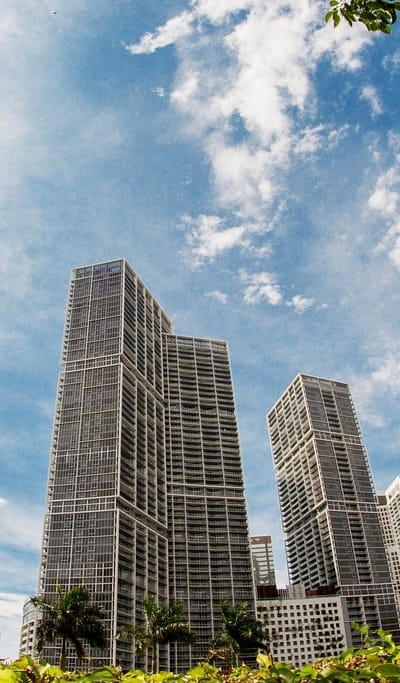
This story is actually three stories in one, combined to highlight the seriousness of the impact of the climate emergency on Florida, with particular emphasis on dangerous rises in temperature. The first story details a shocking rise in the number of heat related deaths occurring in Florida in the past three years. According to a report published by the National Conference of Citizenship, the number of heat related deaths in Florida rose by 88% in the period between 2019 and 2022. The other stories look at the issue of ‘urban heat islands’, which refers to the fact that temperatures are higher in cities which lack natural landscaping. The second story details the fact that Miami is ranked third in a list of 44 US cities impacted by the urban heat island effect, with temperatures in the city being, on average, 8.3 degrees hotter than the surrounding landscape. The final story is more positive, since it looks at measures being taken by the city of Tampa to deal with their status as an urban heat island. Working with the University of South Florida and the National Academies of Science, the city has embarked on a plan involving steps such as tree planting, reflective pavements, cooling roofs, splash pads and fountains and shade structures.

800.548.1548
2801 N Powerline Road Pompano Beach, FL 33069


© 2026 Hoover Pumping Systems Corporation. All rights reserved.